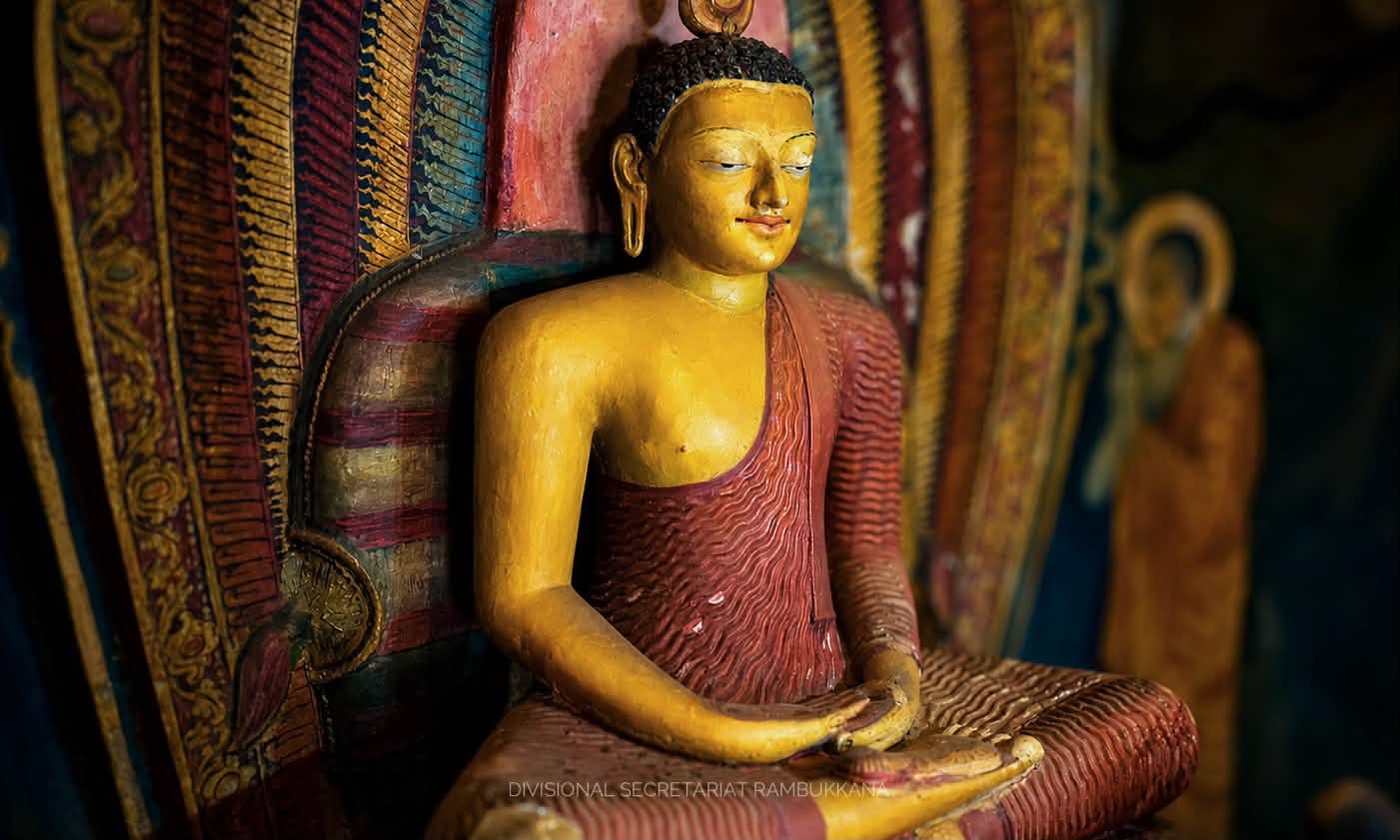
උදම්විට ශ්රී මලියදේව අරහන්ත පුරාණ ටැම්පිට විහාරය.
උදම්විට ටැම්පිට විහාරය ශ්රී ලංකාවේ බෞද්ධ ඉතිහාසය, ආගමික උරුමය සහ සංස්කෘතික වටිනාකම් සමඟ ගැඹුරින් බැඳී ඇති ඓතිහාසික විහාරස්ථානයකි. ශතවර්ෂ ගණනාවක් පුරා විකාශනය වූ මෙම පූජනීය ස්ථානය, දේශයේ බුද්ධ ශාසනය අභියෝග රැසකට මුහුණ දුන් යුගයන්ගේ සාක්ෂියක් ලෙස අදටත් අභිමානයෙන් නැඟී සිටී.
19 වන සියවස ආරම්භ වන විට ශ්රී ලංකාවේ බෞද්ධ සංස්ථාව දැඩි පසුබෑමකට ලක්ව තිබුණි. පෘතුගීසි, ලන්දේසි සහ පසුව බ්රිතාන්ය යටත් විජිත පාලකයන්ගේ දිගුකාලීන බලපෑම් හේතුවෙන් බොහෝ විහාරස්ථාන විනාශයට පත්වූ අතර, බෞද්ධ ආගමික ජීවිතයද අවපීඩනයට ලක් විය. එම සමයේ විවිධ මිෂනාරි ක්රියාකාරකම් හරහා ජනතාව වෙනත් ආගම් වෙත හරවා ගැනීමේ උත්සාහයන් ද ව්යාප්තව පැවතිණි.
එවැනි අභියෝගාත්මක වාතාවරණයක් තුළ වැලිවිට ශ්රී සරණංකර සංඝරාජ හිමියන්ගේ නායකත්වයෙන් ආරම්භ වූ බෞද්ධ පුනර්ජීවනය ශ්රී ලාංකීය බුද්ධ ශාසනයට නව ජීවයක් ලබා දුන්නේය. එම පුනර්ජීවන ව්යාපාරයේ ප්රබල ධර්මධරයකු වූ මිගෙට්ටුවත්තේ ගුණානන්ද හිමියන් බද්දේගම, උදම්විට, වරාගොඩ, ලියනගේමුල්ල, ගම්පොල සහ පානදුර යන ප්රදේශවල පැවැති ආගමික වාද විවාද රැසකට සහභාගී වූහ. මෙම වාද විවාදයන් ජාත්යන්තර අවධානයට ලක් වූ අතර, ඒවා පිළිබඳව පළ වූ වාර්තා කියවීමෙන් අනතුරුව හෙන්රි ස්ටීල් ඕල්කට් මහතා 1880 වසරේ ශ්රී ලංකාවට පැමිණීමට පෙළඹුණු බව ඉතිහාසයේ සඳහන් වේ.ඒ් නුව උදම්විට වාදය ලෙස හැදින්වෙන තුන්වන වාදය මෙම විහාරස්ථනයේ පවත්වා ඇති බවට සාධක පවතී.
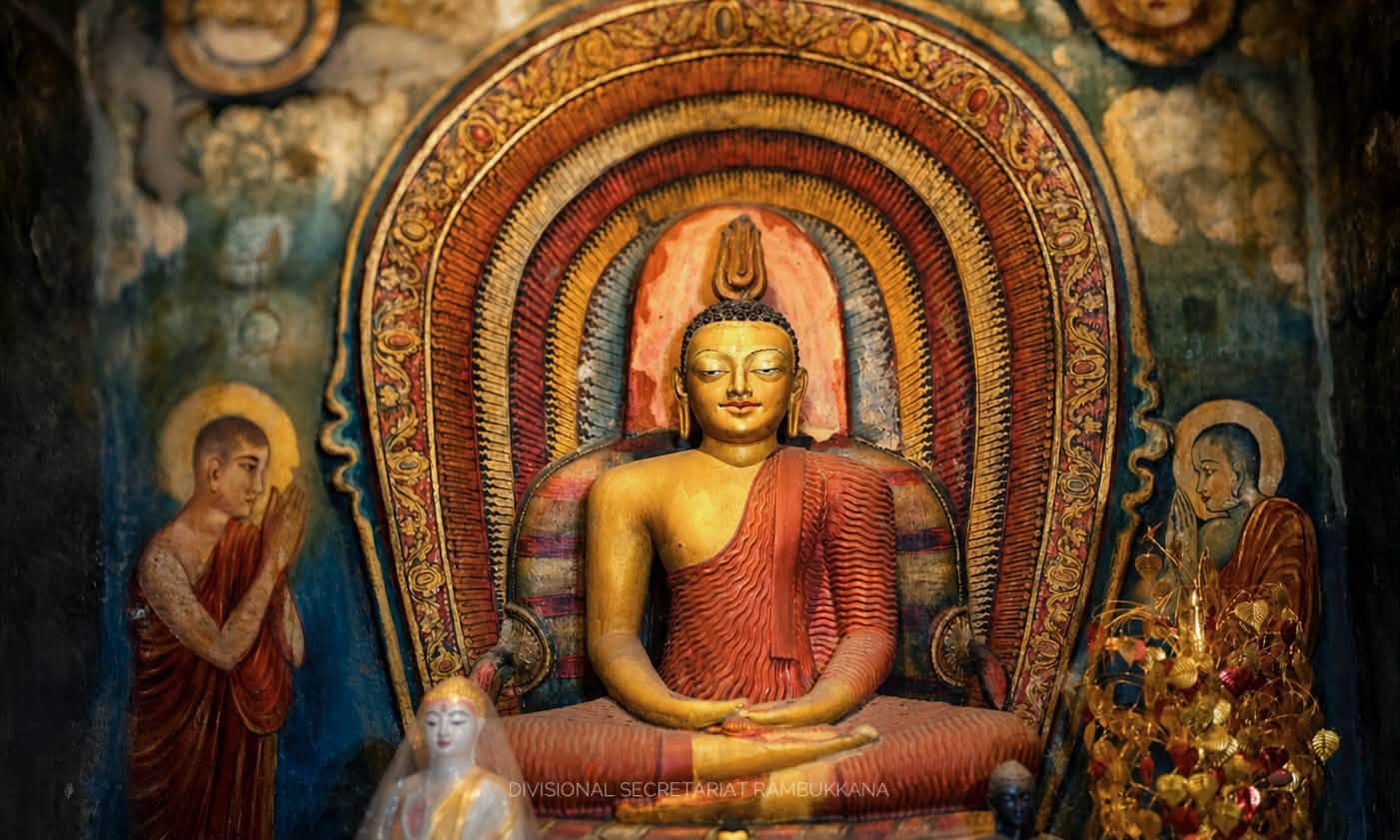
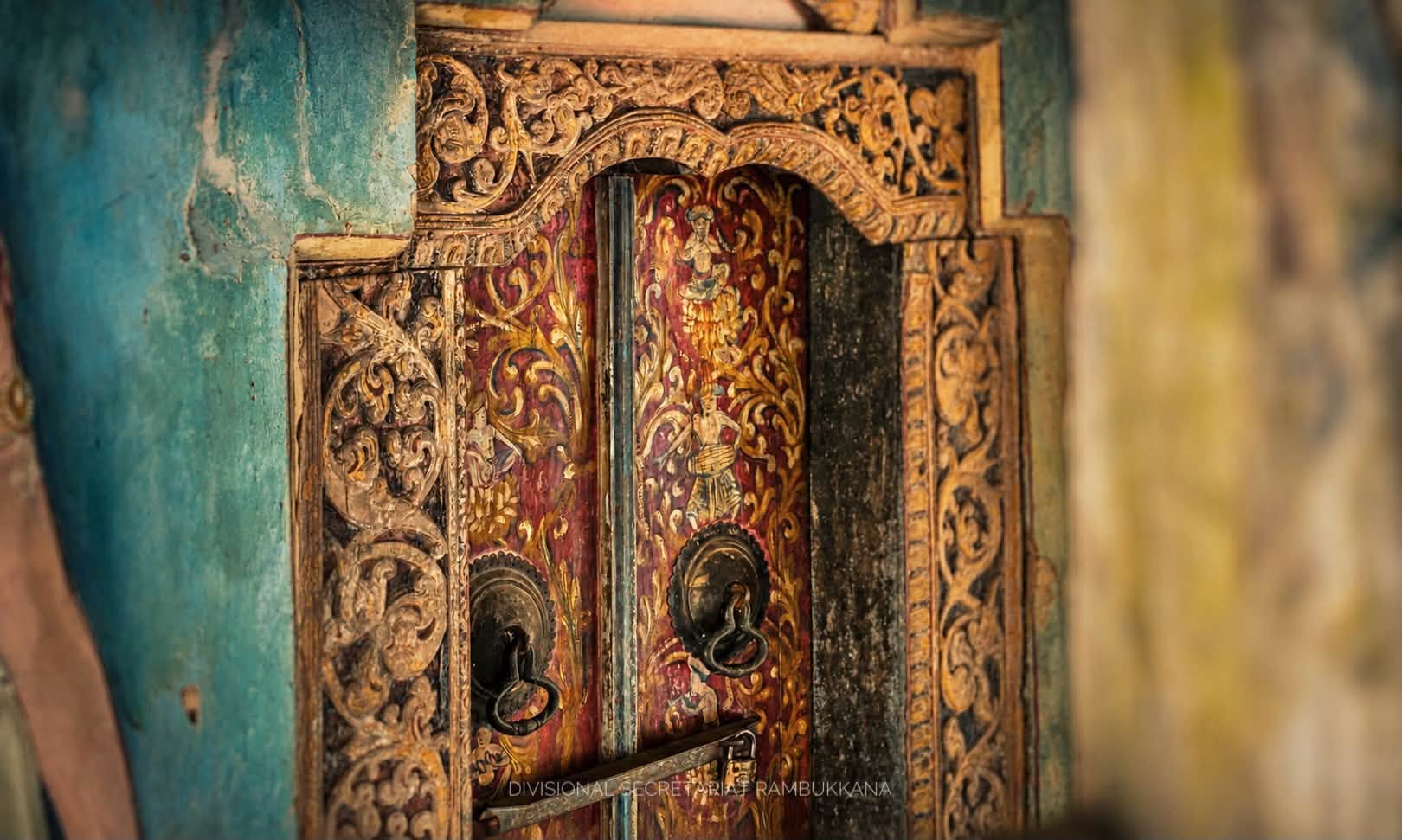
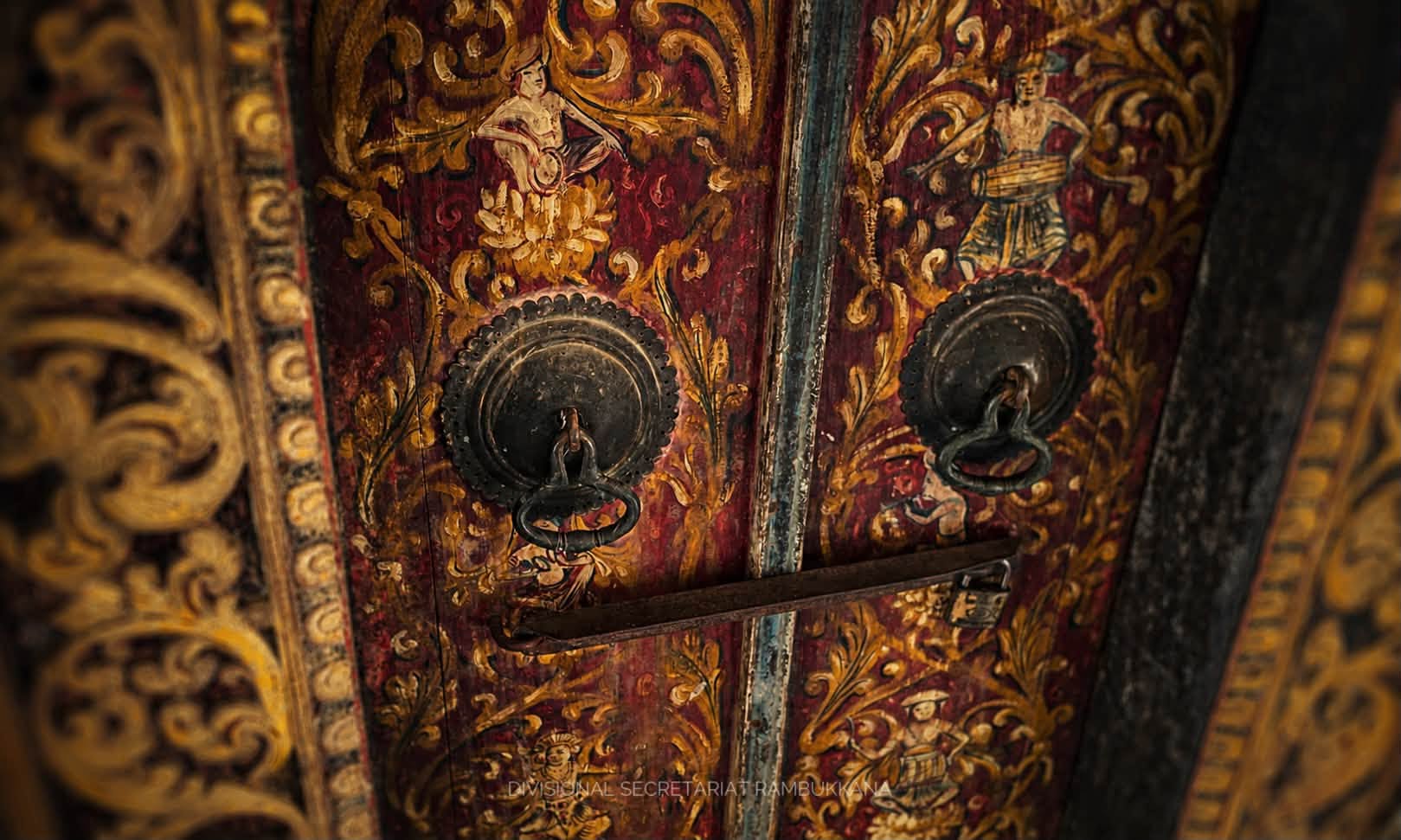
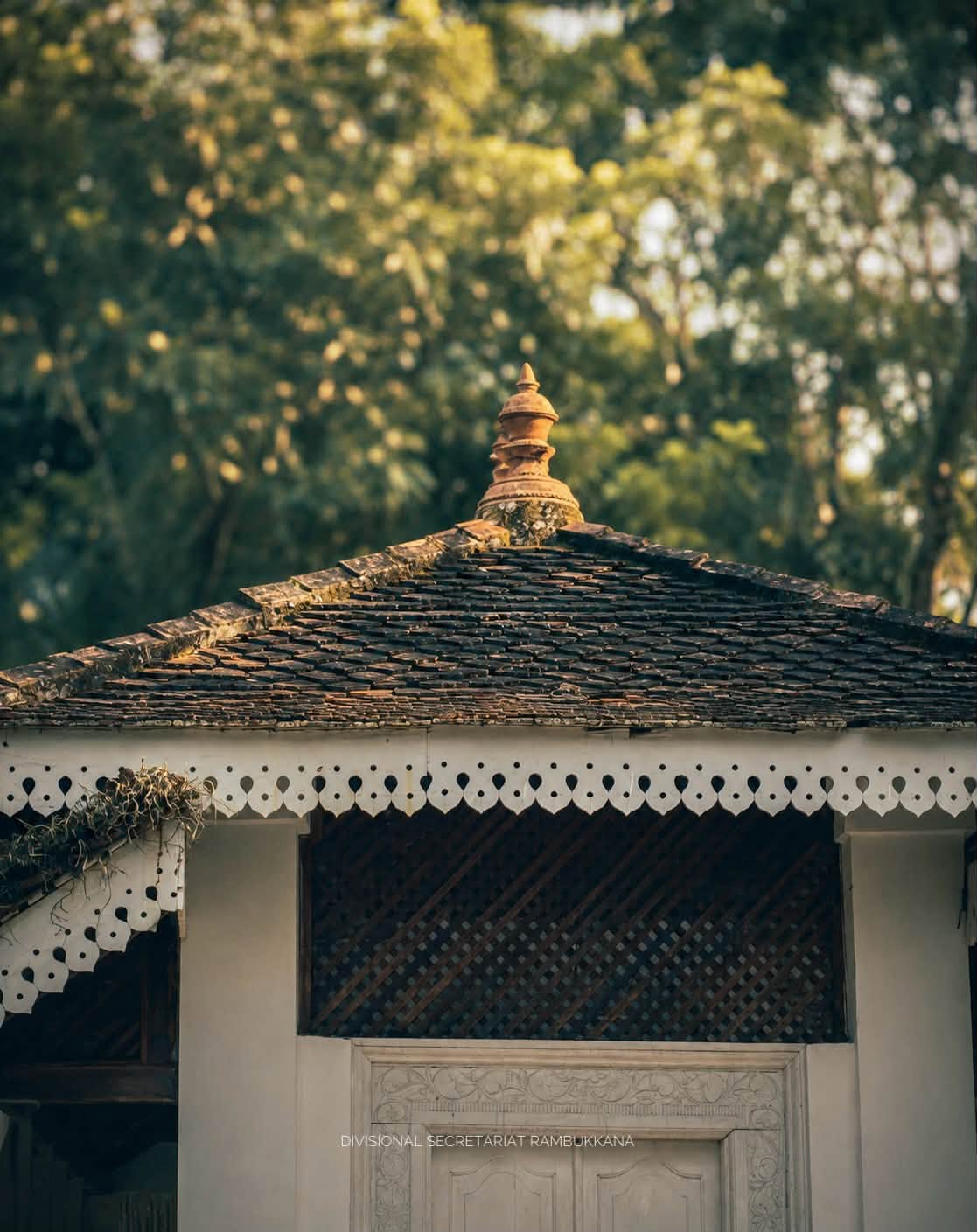
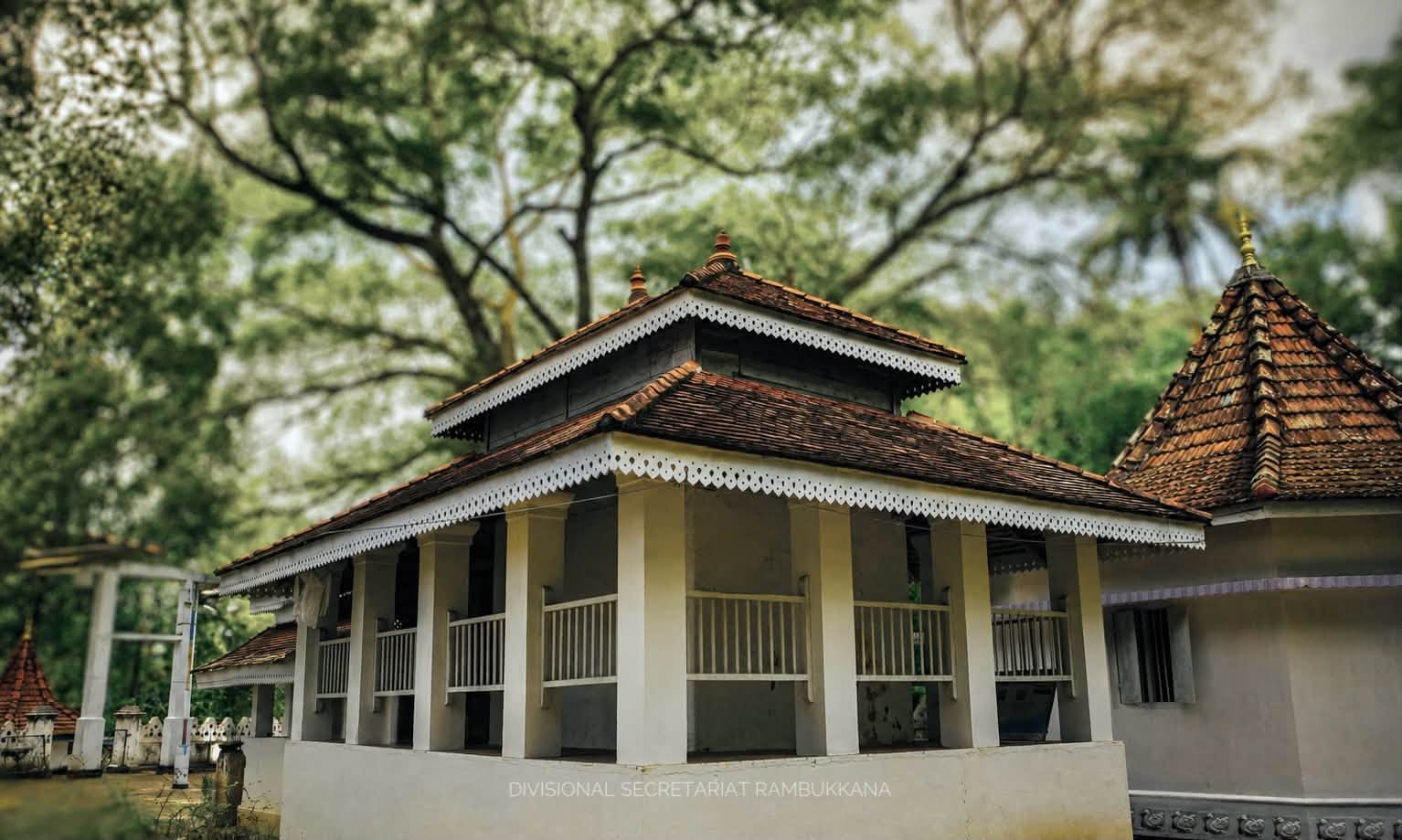
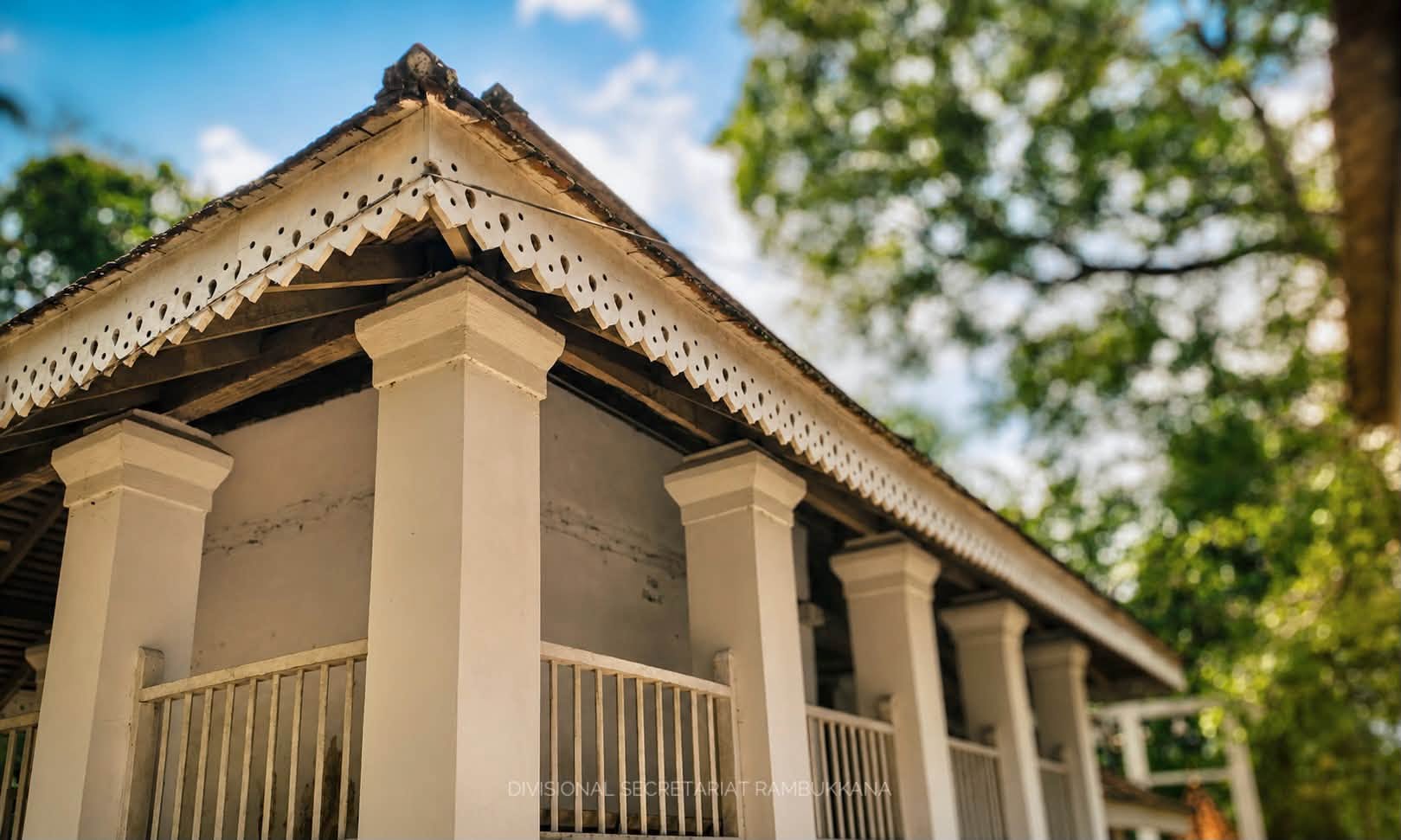
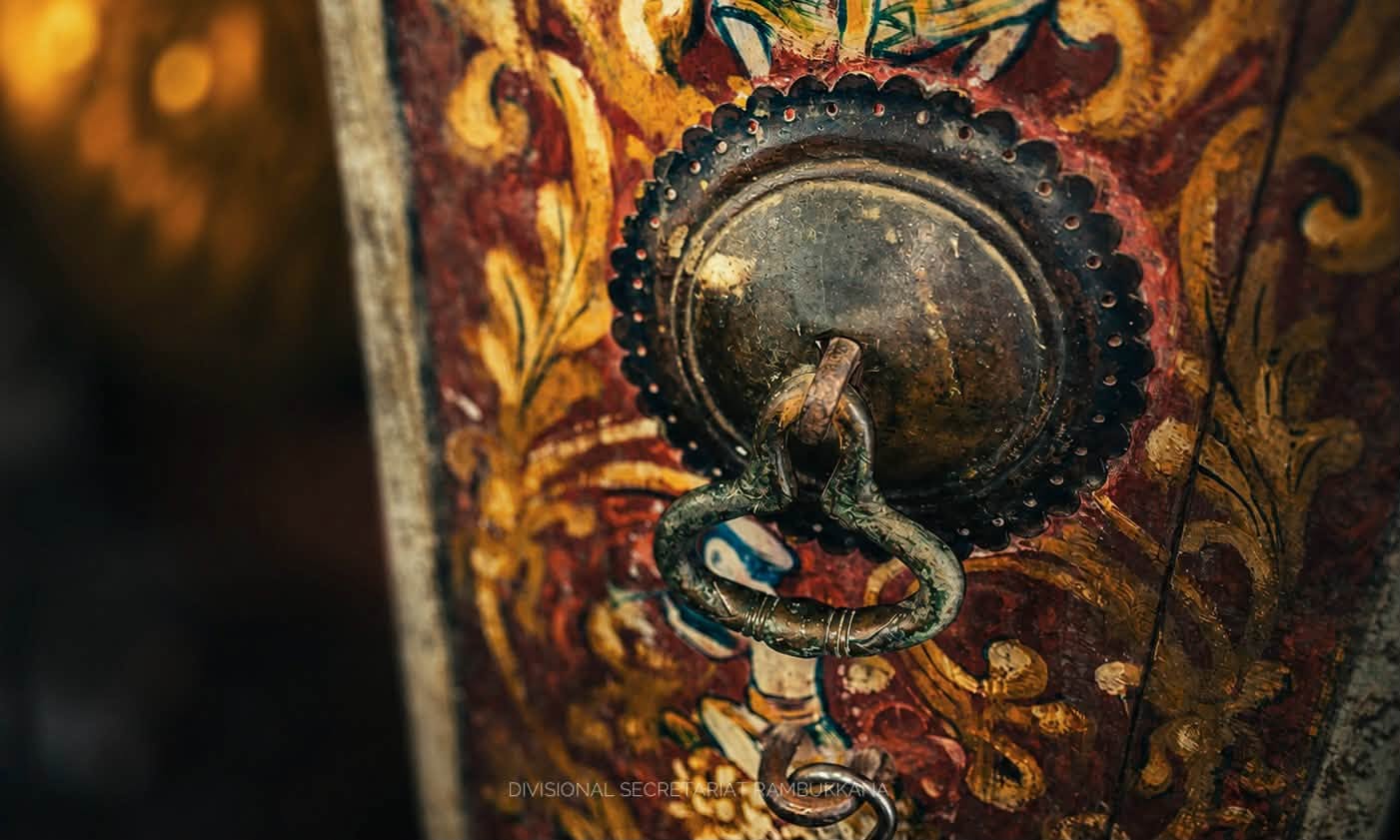
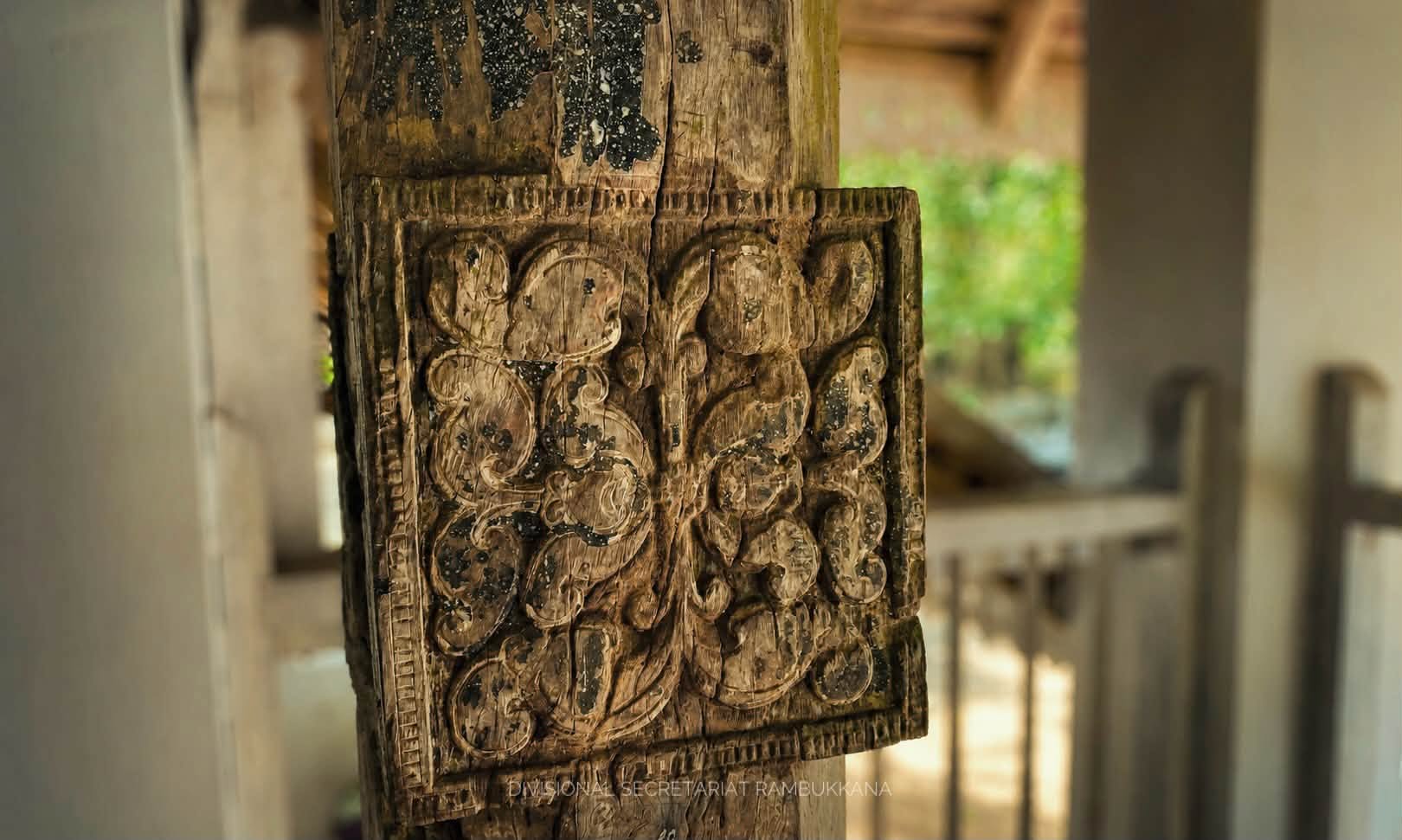
විහාරස්ථානයේ විශේෂත්වයක් වන්නේ එහි පැවති ටැම්පිට විහාර ගෘහයයි. කාලයත් සමඟ එය ප්රතිසංස්කරණය කර නවීකරණය කර තිබුණද, එහි තිබූ පැරණි බිතුසිතුවම් සහ මුල් ස්වරූපයේ අංග බොහොමයක් අහිමි වී ඇත. පැරණි ප්රතිමා ගෘහය රැඳී තිබූ කළුගල් කුළුණු ද නව ගොඩනැගිලි සැලසුම් අතරින් ඉවත් වී තිබේ. එසේ වුවද, මෙම ස්ථානය තවමත් කන්ද උඩරට යුගයේ විහාර නිර්මාණ ශිල්පයේ මතක සටහන් රැසක් රඳවාගෙන සිටී.
ජනප්රවාද සහ දේශීය විශ්වාසයන්ට අනුව, ශ්රී ලංකාවේ අවසන් රහත් තෙරුන් වහන්සේ ලෙස සැලකෙන ශ්රී මලියදේව මහරහතන් වහන්සේ යම් කාලයක් මෙම විහාරස්ථානයේ වැඩ වාසය කළ බව කියැවේ. එම හේතුවෙන් මෙම විහාරස්ථානය “ශ්රී මලියදේව අරහන්ත පුරාණ විහාරය” යන නාමයෙන්ද ප්රචලිත වී ඇත.
උදම්විට විහාරස්ථානයේ ඉතිහාසය අනුරාධපුර රාජධානි යුගය දක්වා දිවෙන බව පුරාවිද්යාත්මක සාක්ෂි මඟින් හෙළි වේ. විහාර භූමිය තුළ අදටත් දැකගත හැකි පැරණි අබලන් ස්ථූපයක් සහ ගල් කොතක් එම ඓතිහාසික උරුමයේ සුවිශේෂී සාක්ෂි ලෙස සැලකේ.
ඉතිහාසය, ආගමික වටිනාකම්, පුරාවිද්යාත්මක උරුමය සහ ජනප්රවාද රැසක් එක්ව ගොඩනැගුණු උදම්විට ශ්රී මලියදේව අරහන්ත පුරාණ ටැම්පිට විහාරය, ශ්රී ලංකාවේ බෞද්ධ සංස්කෘතික උරුමය අනාගත පරපුරට රැගෙන යන අගනා පූජනීය ස්ථානයක් ලෙස සැලකේ.
Udamwita Sri Maliyadeva Arahant Ancient Tampita Viharaya
Udamwita Tampita Viharaya is a historic temple deeply intertwined with the Buddhist history, religious heritage and cultural values of Sri Lanka. This sacred place, which has evolved over the centuries, still stands proudly today as a testament to the eras when Buddhism in the country faced many challenges.
By the beginning of the 19th century, the Buddhist establishment in Sri Lanka was in a state of severe decline. Due to the prolonged influence of the Portuguese, Dutch and later British colonial rulers, many temples were destroyed, and Buddhist religious life was also depressed. During that period, attempts to convert the people to other religions through various missionary activities were also widespread.
In such a challenging environment, the Buddhist revival that began under the leadership of Venerable Weliwita Sri Saranankara Sangharaja Thero gave new life to the Buddhist order in Sri Lanka. A strong stalwart of the revival movement, Venerable Migettuwatte Gunananda Thero, participated in a number of religious debates held in Baddegama, Udamwita, Waragoda, Liyanagemulla, Gampola and Panadura. These debates attracted international attention, and it is said in history that after reading the reports published about them, Mr. Henry Steel Olcott was inspired to visit Sri Lanka in 1880. There is evidence that the third debate, known as the New Udamwita Debate, was held at this temple.
A special feature of the temple is the Tampita Viharaya. Although it has been renovated and modernized over time, many of its old murals and original features have been lost. The granite pillars that housed the old statue house have also been removed from the new building plans. However, the site still retains many reminders of the temple architecture of the Kanda period.
According to folklore and local beliefs, Sri Maliyadeva Maharathan Thero, considered to be the last Arahant of Sri Lanka, is said to have resided in this temple for some time. Due to this, this temple is also known as the “Sri Maliyadeva Arahantha Purana Viharaya”.
Archaeological evidence reveals that the history of the Udamwita temple dates back to the Anuradhapura Kingdom period. An old dilapidated stupa and a stone tower that can still be seen within the temple grounds are considered to be unique evidence of that historical heritage.
The Udamwita Sri Maliyadeva Arahantha Purana Tampita Viharaya, built with a combination of history, religious values, archaeological heritage and folklore, is considered a precious sacred place that carries the Buddhist cultural heritage of Sri Lanka to future generations.